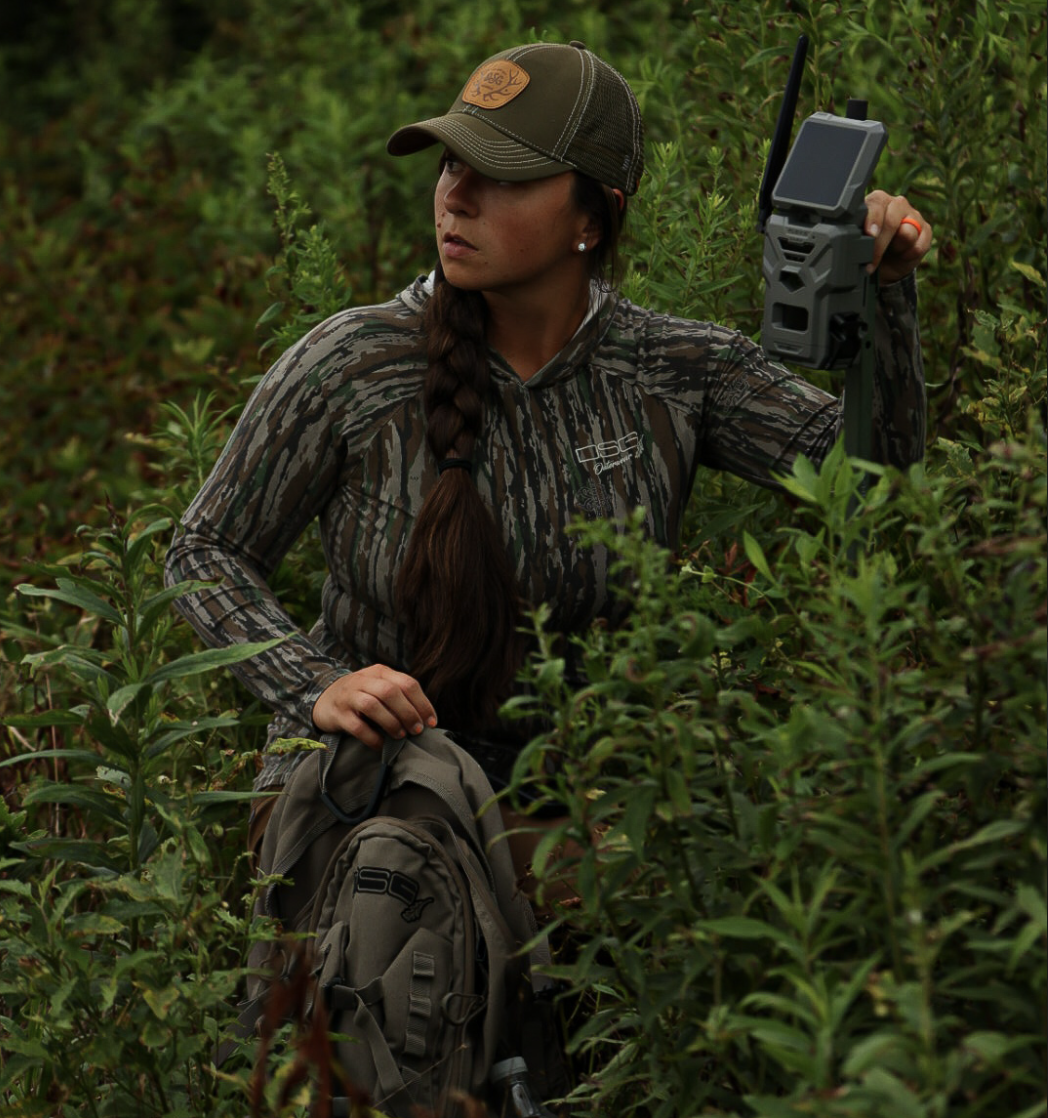
As spring approaches we all begin to get the excitement of turkey season nearing. We start gathering our gear, sighting in our guns, and practicing our calling. But what about scouting ahead of time? In past years our turkey population numbers have been plentiful so scouting mainly consisted of listening for birds a couple of days ahead of season and putting birds to roost the night before the opener.
Fast forward to present time, I have noticed that listening for birds has not been enough to prepare me for the season. With increased predators, pressure, and lack of poult survival; turkey numbers, especially in my location in southern Ohio has dramatically decreased as well as consistent gobbling birds. With that being said, the past few years I have put a lot of emphasis into using trail cameras to help me have a successful season, determine what the actual turkey population looks like, and where the birds spend most of their time.
Cameras/Settings
Putting up trail cameras sounds pretty simple, but knowing what type of cameras work best and what settings to operate your cameras at can make a world of difference when it comes to scouting for birds. I typically always run cell cameras. Cell cameras give you such a big advantage in not having to run to the woods to pull cards every time you want to see what has been going on and keeps pressure out of the area. Knowing what is happening in real time allows you to make a move quickly if need be during the middle of season.
I have found that some camera settings work best for turkey and definitely make a difference when it comes to capturing the action. I typically run all of my cameras on no delay and in a hybrid mode, which is a still photo and video combined, or on just straight video mode. Having your camera set on a video mode allows you see more of the action and the bird communication. Video mode will also increase your chances of not missing as much in comparison to still photos, especially if a group of birds is passing by the camera or if a gobbler is going in and out of full strut.
Best Locations
Having knowledge on the best places to hang your cameras for turkey is really crucial. Understanding where birds like to spend their time and their ideal habitat will make a difference in this challenge. Turkey in comparison to deer, feel more comfortable in open areas where they can see predators coming from afar, since they rely mainly on their eyesight. Oak woods and pines are great places to scout and hang your cameras for turkey. They enjoy these areas due to the great cover of the larger oaks and pines for roost trees as well as scratching under the oaks and pines for acorns and bugs.
One of my favorite locations to set trail cameras is logging roads. Logging roads are like natural highways for turkey throughout the woods, especially if other parts of the woods are brushy and thick. Logging roads provide quality feeding areas, strut zones for gobblers, and travel routes. My farm in particular has numerous logging roads that I keep mowed each year to allow for good access for turkey throughout the property. These are also some of the best places to hunt during the season.
Strut zones are my favorite places to hang cameras to get strutting gobbler action, especially in big timber and steep hill country. Gobblers love to utilize flat benches on a hillside, flat points on top of a hill, and logging roads to strut and gobble. These areas will have a lot of tracks, wing drag marks, and scratching’s. Gobblers will spend a good bit of time in these areas, especially later in the morning and mid-day. Setting your trail cameras in these locations and learning what time of day the gobblers head there can really make for a great spot to bag your bird!
Fields or food plots that contain clover, alfalfa, and chicory are perfect locations for trail cameras. Turkey love the young tender growth in the spring and these varieties attract a lot of insects which is really good protein and attractant for bugging birds. I have found that depending on where these fields are a lot of times birds will fly down from the roost directly into the fields first thing in the morning or will use these areas as late morning or afternoon feeding locations. Here in my home state of Ohio, the birds love to utilize these areas in the late morning and afternoon, so I have been able to connect on some big gobblers during this time by using trail camera intel!
In conclusion, trail cameras can really make a difference in your turkey hunting, especially if you don’t have a lot of time to physically listen for birds in the morning and evenings or if you are like us and have a declined population and non-vocal birds in comparison to other areas. It can definitely up the chances in having a successful season.
.png)