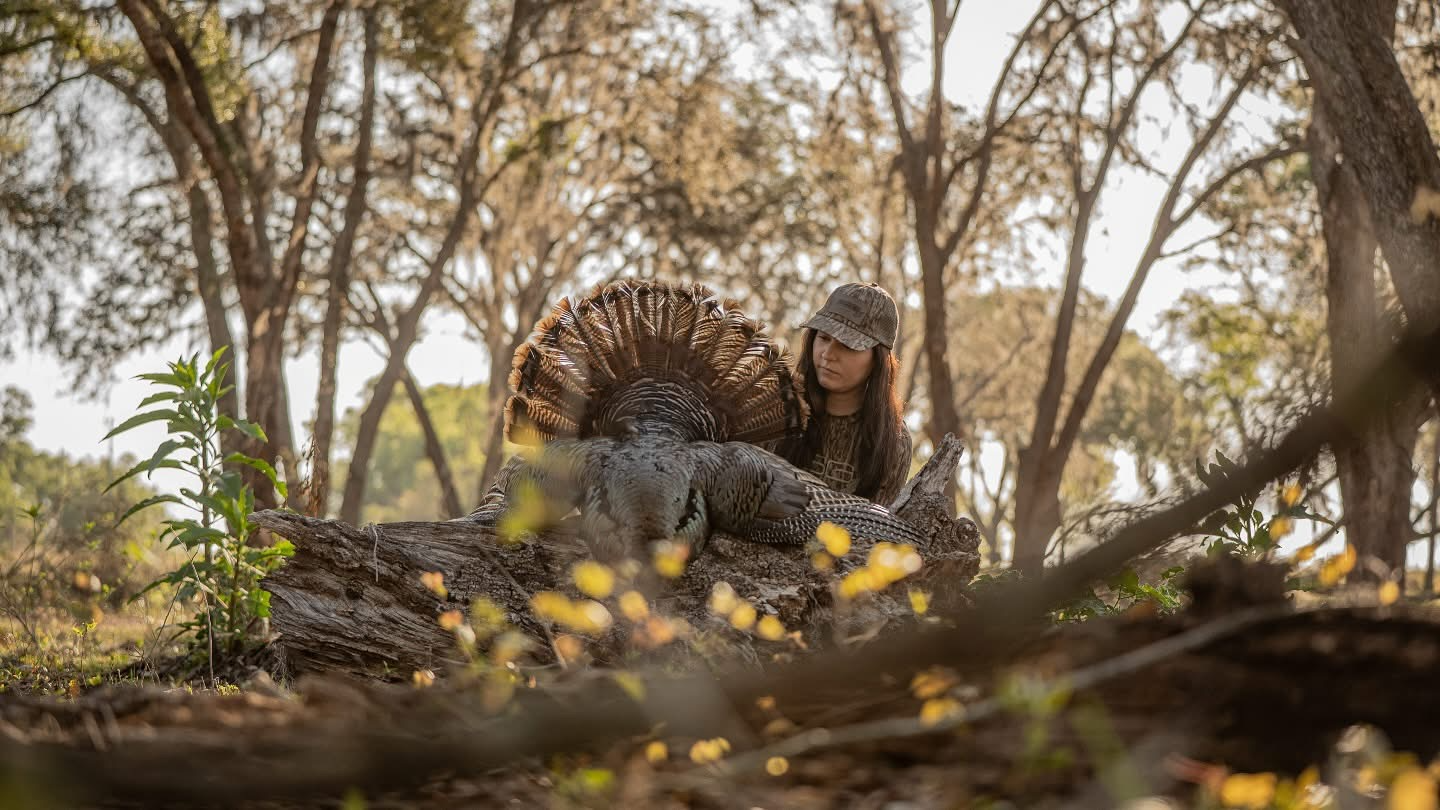
Deer season never really ends clean. It fades out.
The last sits feel longer. The woods grow quiet in a different way. What once felt electric in November turns still and gray by January. Trail cameras get pulled. Stands come down. Boots sit by the back door, drying a little longer than they used to.
Somewhere in that stretch between late season and green-up, you feel it — the lull.
Deer season is endurance. Months of planning, watching cold fronts, studying wind maps, checking cameras, and slipping quietly in and out of stands. It’s disciplined. Strategic. A grind.
Turkey season is something else entirely.
The transition between the two takes more than swapping camo patterns or trading rattling antlers for slate calls. It’s a shift in mindset. Every year, whether I realize I need it or not, spring brings a reset.
By the time deer season ends, you can feel it — not just physically, but mentally. Months of early mornings and late evenings start to wear on you. There’s pressure in deer season. Expectations. Tag goals. Limited windows. You’re chasing a pattern that can change overnight. Success often comes down to one opportunity that lasts only seconds.
When it ends, there’s relief. But there’s also restlessness.
Then March starts creeping in.
The woods begin to green up, and something shifts. The air doesn’t bite quite as hard. The days stretch a little longer. You start hearing things again — woodpeckers, songbirds, the faint rustle of new growth pushing through leaves that have been pressed flat all winter.
And then it happens.
That first gobble.
It doesn’t sound like deer season. It doesn’t feel like deer season. It cuts through the quiet in a way that wakes something up in you.
Turkey season demands something different. During deer season, you often sit still and let the woods come to you. In turkey season, you move with them. You listen more than you look. You read tone instead of tracks. The morning unfolds minute by minute instead of hours passing from a stand.
There’s no scrolling your phone between rattling sequences. No zoning out while waiting for movement. A turkey will expose you quickly if you’re distracted — if you miss the shift in cadence, the soft drumming behind a rise, or move when you shouldn’t.
He’ll humble you.
After months of chasing deer patterns and relying on data — wind direction, food sources, camera timestamps — turkey season brings you back to instinct. It sharpens your senses. You don’t have weeks to pattern one longbeard. You have minutes to make the right decision.
Is he committed?
Is that hen pulling him away?
Should you call again or stay silent?
Every move matters.
The first few mornings of spring remind me how much I missed being fully present in the woods. Deer season can become tactical, calculated, sometimes even mechanical. Turkey season feels raw. It’s interaction. It’s a conversation. It’s emotion.
And it forces humility.
A mature buck might never know you were there. A gobbler will let you know exactly what he thinks of you. He’ll answer every call from the roost, then fly down and walk the other way with a group of hens. He’ll hang up at 70 yards and strut for an hour. He’ll gobble at thunder but ignore your best yelp.
You can’t bully a longbeard into making a mistake.
Spring strips things back down to basics. No thick foliage to hide careless movement. No heavy cover to mask poor setups. It’s you, a call, and whatever woodsmanship you’ve built over years of mornings like this.
And there’s something refreshing about that simplicity.
After deer season, I often feel the weight of expectations and goals I set — hunts that didn’t go as planned, chances I wish I’d handled differently. Turkey season doesn’t carry that same burden. It feels lighter. Hopeful. The whole year is still ahead.
Green leaves replace gray limbs. Clover fields come back to life. The woods smell different. Even the dirt feels softer under your boots.
You realize the land resets whether you do or not.
Spring doesn’t ask if you’re ready. It simply arrives.
And when it does, it offers a choice. You can carry the frustration and fatigue of last season with you, or you can step into the new one sharper, steadier, and grateful just to hear a bird sound off at daylight.
There’s a moment every spring, sitting against a tree in the half-light before fly-down, when everything feels balanced again. No pressure from the past season. No guarantee of what this one will bring. Just a gobbler on the limb, soft tree yelps from hens, and the anticipation of what might happen next.
That moment is the reset.
Whether the bird comes in on a string or walks off with hens, you leave the woods different than you entered. More patient. More aware. Less hurried.
Deer season builds endurance.
Turkey season restores clarity.
And every year, that first gobble reminds me that no matter how long winter felt — inside the woods or outside of them — another season is always coming.
All you have to do is answer the call.
.png)