The Tip: Hunt the Doe, Not the Buck
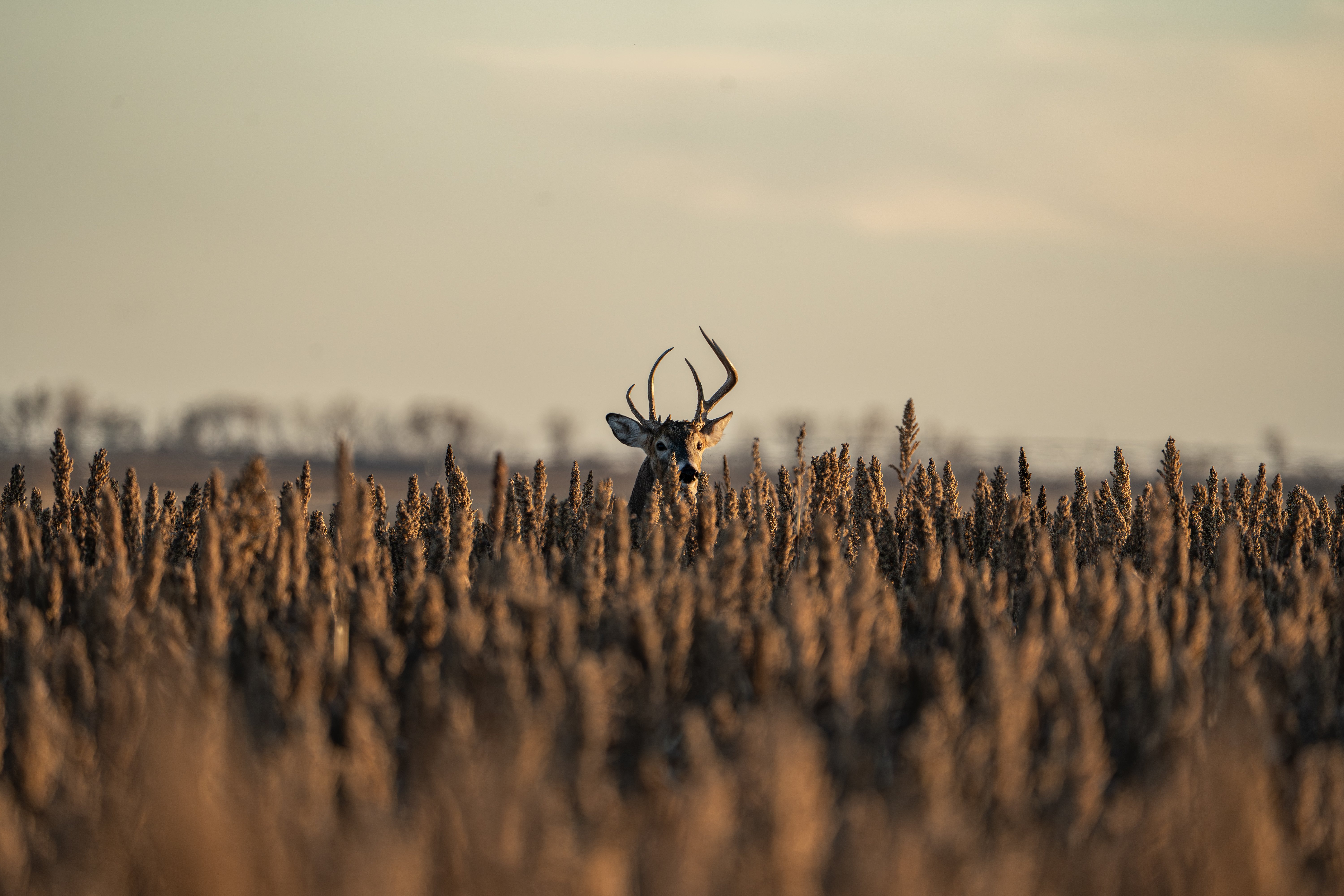
During the peak of the rut, mature bucks can seemingly vanish overnight. But that doesn't necessarily mean they've gone nocturnal or left the property. More often, they've found a receptive doe and are spending most of their time tending her in thick cover, away from their usual travel routes.
When a mature buck locks down with a doe, the hunting strategy that worked just days earlier may no longer be effective. Instead of chasing a buck's previous movement patterns, it's time to shift your focus to the doe he's following.
Here are five strategies to help you make the most of the rut's lockdown phase.
1. Focus on Thick Bedding Cover
Bucks tending does often seek secluded areas where they can avoid competition from other bucks. Look for dense cover, brushy draws, creek bottoms, and secluded pockets near doe bedding areas. These locations provide the security a buck and doe need while they're paired up.
2. Hunt the Edges, Not the Middle
It can be tempting to push into thick cover when deer movement slows, but doing so could bump the very buck you're hoping to encounter. Instead, position yourself along natural travel routes leading into and out of bedding areas. Pinch points, funnels, and transitions between thick cover and feeding areas can provide opportunities without putting unnecessary pressure on deer.
3. Be Ready When the Lockdown Breaks
A buck may stay with a receptive doe for roughly 24–48 hours, sometimes longer. Once she's no longer receptive, he'll often begin cruising again in search of another doe. This means a buck that has seemingly disappeared could suddenly show back up during daylight hours. Stay patient and be prepared when movement picks back up.
4. Don't Give Up on Midday Hunts
During the rut, mature bucks don't always follow their typical early-morning and late-evening movement patterns. A buck leaving one doe and searching for another may be on his feet at any time of day. Spending a few extra hours in the stand, especially between late morning and early afternoon, could put you in the right place at the right time.
5. Pay Attention to Doe Behavior
Sometimes the best indication that a mature buck is nearby isn't the buck himself. Watch for does acting nervous, repeatedly looking over their shoulders, or moving unusually quickly through an area. These behaviors can indicate that a buck is following close behind. When you spot a doe during the rut, don't be too quick to look away. Give the area a few extra minutes before assuming she's alone.
The Bottom Line
When a mature buck locks down with a doe, patience becomes just as important as positioning. You may not be able to convince him to leave her, but you can put yourself in the right place when they move or when he starts searching again.
Remember, the lockdown isn't the end of the rut. It's simply a different phase that requires a different strategy. Hunt smart, pay attention to the does, and don't give up on that mature buck just because he's temporarily disappeared.