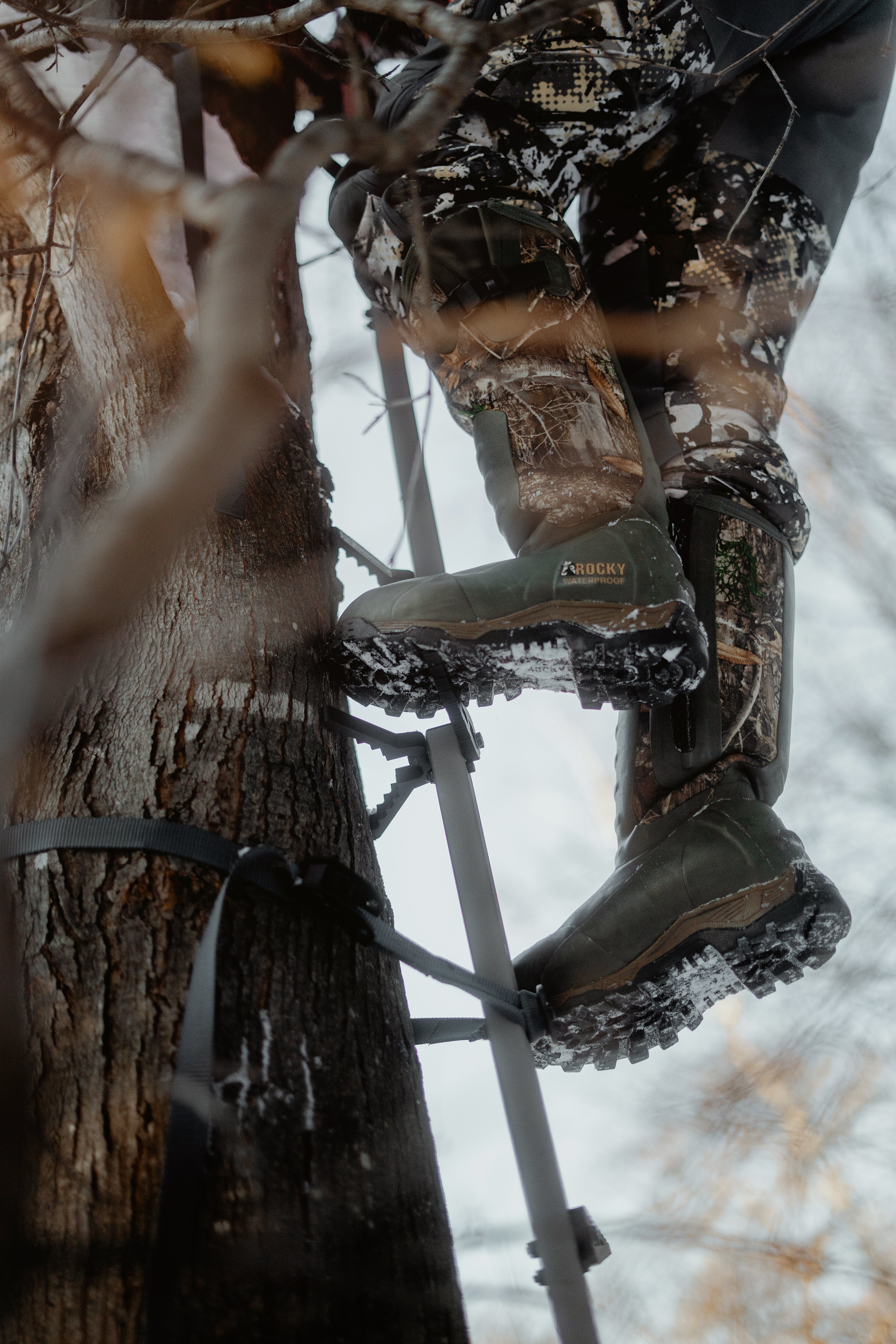
October is finally here. For whitetail hunters across much of the country, that means months of preparation are about to turn into actual hours in a treestand.
The temptation is understandable. You’ve spent the summer running trail cameras, hanging stands, trimming shooting lanes and watching a good buck develop a pattern. Opening day arrives, the wind is almost right, and suddenly that favorite stand is calling your name.
But one of the best things you can do early in deer season is know when not to hunt your best spot.
Mature bucks don’t reach older age classes by ignoring pressure. While early-season deer can be relatively predictable, those patterns can change quickly once hunters begin entering the woods. A poorly timed hunt can educate a buck before you ever get a chance to see him from the stand.
Here are a few things to consider before making that first sit.
Wait for the Right Wind
A marginal wind usually isn’t worth the risk.
It can be especially tempting when trail camera pictures show a buck regularly appearing near your stand. But remember, the goal isn’t simply to get into the woods while he’s nearby. It’s to encounter that deer without letting him know you were ever there.
Think beyond the wind direction at your stand, too. Consider what the wind is doing during your entire approach and exit. If your scent is blowing toward a bedding area while you walk in, the hunt could be over before you ever climb the tree.
The best stand for the day is often the one that allows you to hunt cleanly from beginning to end.
Pay Attention to Your Access
Hunters spend a lot of time thinking about where deer travel and sometimes not enough time considering their own travel.
Your entrance and exit routes matter.
Walking across a food plot, crossing a heavily used trail or pushing too close to bedding cover can leave scent and create disturbances that deer may notice long after you’re gone.
Whenever possible, use terrain, creek beds, field edges, standing crops or other cover to conceal your movement. Give bedding areas plenty of room, and avoid crossing the places where you expect deer to travel later.
Sometimes walking an extra half-mile is better than taking the easy 200-yard route.
Use Observation Stands
Not every early-season hunt needs to happen in your best stand.
October is a great time to hunt observation setups along field edges or other lower-impact locations. You may not be sitting directly on top of the hottest trail, but you're gathering valuable information without putting as much pressure on the deer.
Watch where deer enter a field. Pay attention to which trails bucks are using, what time they arrive and how changing winds affect their movement.
A few evenings of observation can tell you more than immediately diving into the middle of a buck's core area.
Let Your Cameras Hunt for You
Trail cameras are another reason you don't have to rush.
Use them to determine whether a buck is still following a huntable daylight pattern. One picture at 2 p.m. three weeks ago isn't necessarily a reason to hunt a stand today.
Look for consistency.
Is the buck appearing during daylight? What weather conditions seem to trigger his movement? Which direction is he coming from? Is his pattern changing as food sources change?
The more information you have, the better you can choose your moment.
Remember What's Coming
Perhaps the biggest reason to exercise patience in October is that whitetail behavior is about to change dramatically.
As October progresses and the rut approaches, bucks begin expanding their movement and daylight activity. A deer that seems nearly impossible to encounter today may become much more vulnerable in a few weeks.
That doesn't mean you shouldn't hunt aggressively when the conditions are right. Early October can provide some excellent opportunities, particularly when a mature buck is following a consistent food-to-bed pattern.
But there's a difference between being aggressive and being impatient.
Every trip into the woods creates some level of pressure. Make sure you're spending that pressure wisely.
You waited all year for deer season to arrive. If the wind isn't right or your access puts you at risk of educating the buck you're after, waiting another day might be the smartest hunt you make all season.

.png)